Best CPU for gaming in 2024: Top 10 picks for top performance (March)
A closer look at the market's leading processors, comparing each for gaming performance, price, and overall value for money


WePC is reader-supported. When you buy through links on our site, we may earn an affiliate commission. Prices subject to change. Learn more
Looking for the best CPU for gaming in 2024? Then you have come to the right place. At WePC we’ve tested hundreds of the world’s best CPUs, from budget offerings to monster sixteen-core powerhouses. The first thing we learned? It’s not all about the specs With the Intel 14th Gen now readily available, you can read our 14th Gen review to see what we thought, we’re best positioned to provide expert advice on picking the best CPU for gaming that’s right for you. When it comes to picking the best CPU for gaming, you’re choosing between two chipmakers – AMD and Intel.
We keep this article constantly updated every month, looking at user reviews combined with our own testing to bring you, what we believe to be, the most in-depth CPU buying guide around. With the 14th Gen now out, the likes of the Intel 13th Gen, which reviewed well in our Intel 13900K verdict, could see drastic price reductions. If you’re on a lower budget we recommend checking out our Best CPU under $200 guide, where we run through our best picks for 2024. If you happen to pick Team Red as your CPU of choice, you might want to check out our best AMD motherboard article.
-
02Our Intel choice




Today’s best CPU deals
- Intel Core i9-13900KF Gaming Desktop Processor – Save 15% NOW!
- AMD Ryzen 9 5900X – Save 51% now!
- AMD Ryzen 7 7800X3D – Save 18% now!
- Intel Core i9-13900K – Save 17% NOW!
- Intel Core i7-13700K – Save 12% NOW!
- AMD Ryzen™ 9 7900X3D – Save 17% NOW!
- AMD Ryzen 5 5600 – Save 27% NOW!
- INLAND Micro Center AMD Ryzen 5 5600X with MSI MPG B550 – Save 7% now!
- Micro Center AMD Ryzen 5 4600G with MSI B550 – Save 16% now!
- Micro Center AMD Ryzen 5 5600X with MSI B550M PRO-VDH – Save 7% now!
Best CPU for gaming 2024
The list below takes into account the launch of the 14th Gen Intel CPUs that have just launched, and we have added to the list accordingly, despite negative opinions, we do believe that there is some value to be had in the 14th generation CPUs. For now though, we would strongly recommend either the AMD Ryzen 9 7950X3D, or the Intel Core i9-13900K. This is thanks to their amazing performance in games.
AMD Ryzen 9 7950X3D

Ryzen 9 7950X3D
Cores:
16
Thread:
32
Boost speed:
5.7 GHz
Cache:
144 MB
TDP:
120W
- 3D V-cache makes for fantastic gaming performance
- Less limited thanks to dual CCD config
- Relatively efficient
- Expensive
- Locked to auto overclocking, no manual
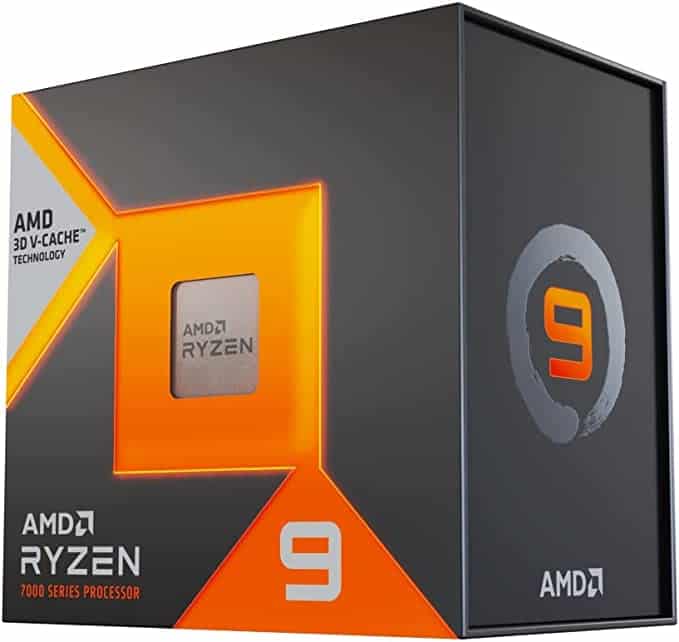
The AMD Ryzen 9 7950X3D is the pinnacle of CPU gaming right now. the 7950X3D features 16 CPU cores and 32 threads, all clocked at 5.7GHz. The advantage bestowed upon the 7950X3D is the fact it has a much larger cache than any other CPU on the market right now.
Having V-cache is great but it does have its limitations. V-cache is incredibly sensitive to high voltages and temperatures. This means that part of the CPU has to be restricted to keep everything running properly. The great thing about the Zen 4 version of the X3D CPUs is that the 3D V-cache is only built on one of the two CCDs. This means that only half of the CPU is restricted and subject to the limitations the 3D V-cache imposes.
The 7950X3D is up to 40% faster in some gaming scenarios, and it’s easy to see how when you compare the success of the 5800X3D. This CPU will set you back a fair amount, but it will also gain far more than what it costs in gaming and computing performance. There’s not much more to be said than that. This is the undisputed best AMD CPU for gaming this year. Just make sure you have the right cooling system in place as the CPU can run hot. You can check out our best cooler for the AMD Ryzen 9 7950X3D if you need a few ideas.
Intel Core i9-13900K

Intel Core i9-13900K
Cores
24
Threads
32
Base speed
P-cores 3 GHz / E-cores 2.2 GHz
Boost speed
P-cores 5.8 GHz / E-cores 4.3 GHz
Cache
36MB
TDP
125 W / 253 W boost.
- Powerful single and multi-core performance
- High boost speeds
- improved L2 cache capacity
- 32 logical processors
- pricey
- runs VERY hot
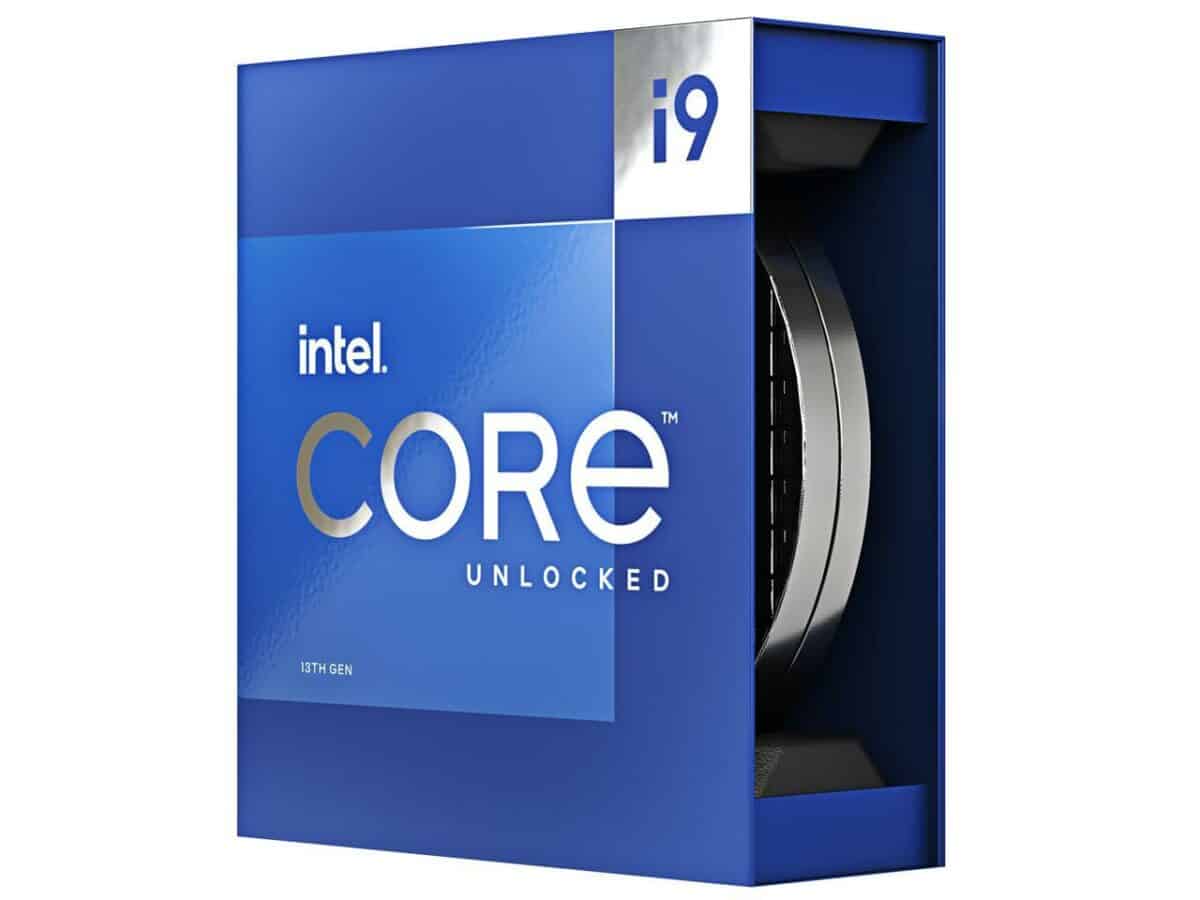
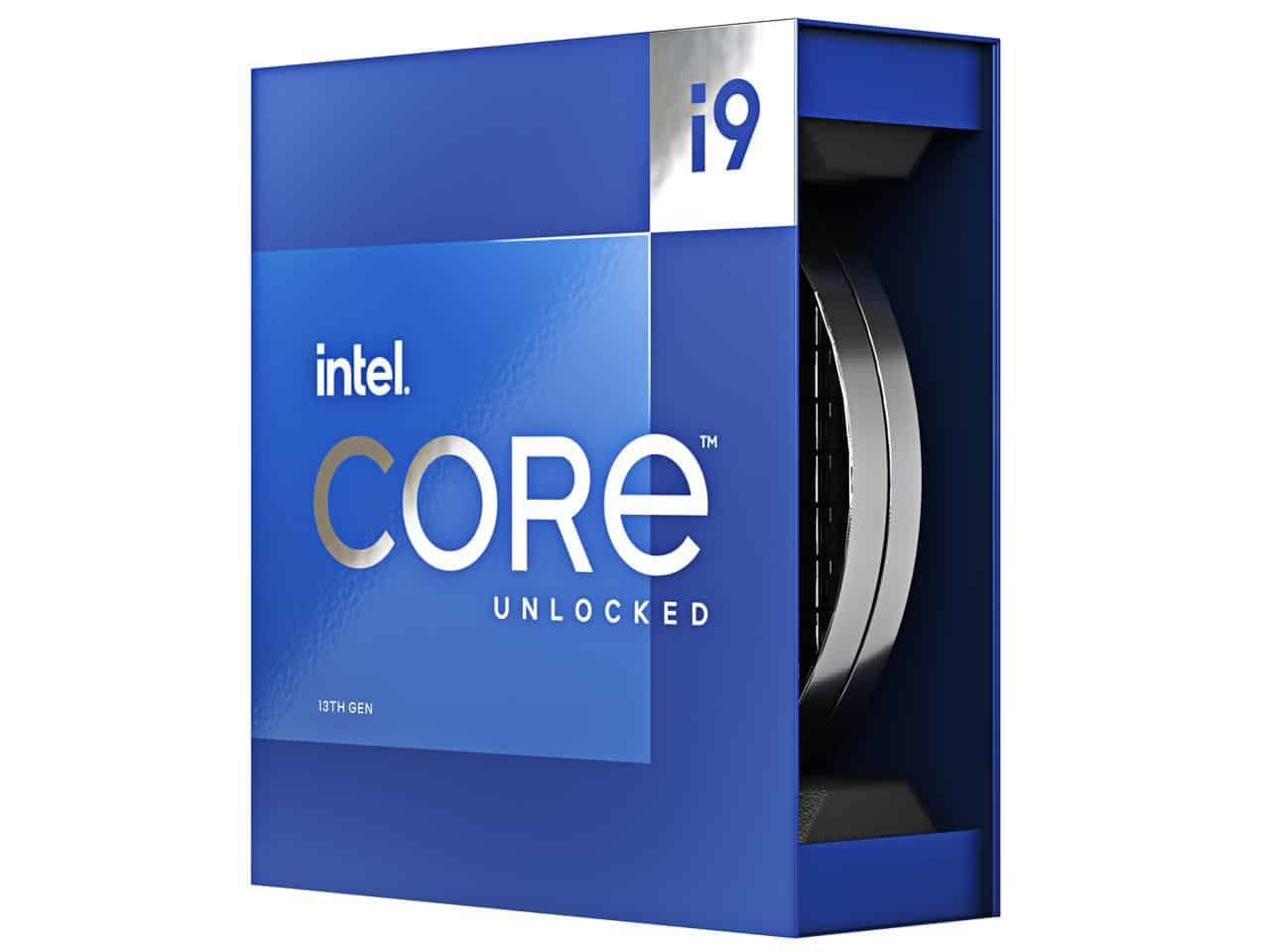
The i9-13900K is a very powerful CPU capable of toppling the competition, Its 24-core and 32-threads dominate in both single and multi-core workloads. Cementing the 13900K at the top of multi-threaded performance for the first time in years. You can read our full Intel 13900K review here, where we gave it a positive write-up.
The 13900K has a TDP of 125 W base and 253 W boost, now that’s a massive jump in TDP over Alder Lake. But it’s also a massive jump in performance. The 13th-generation Raptor Lake CPUs see improved single-core performance of up to 15% and multi-core performance of up to 41%. The best part is you don’t even have to upgrade your motherboard to access all of this performance, but upgrading has its benefits.
L2 CPU cache is doubled this time around, giving the CPU swift access to larger, faster storage. This enabled the CPU to keep processing instructions quickly without developing a backlog to slow it down. The 13900K is seriously fast, with a boots core speed of up to a massive 5.8 GHz, the fastest core speed on the market at the time of writing.
All of this performance does have a downside, however, the 13900K runs incredibly hot under immense stress. We don’t expect you to ever reach the levels of usage that we did in our stress test, but we did manage to get the 13900K to throttle up to 13%. using a 360mm AIO.
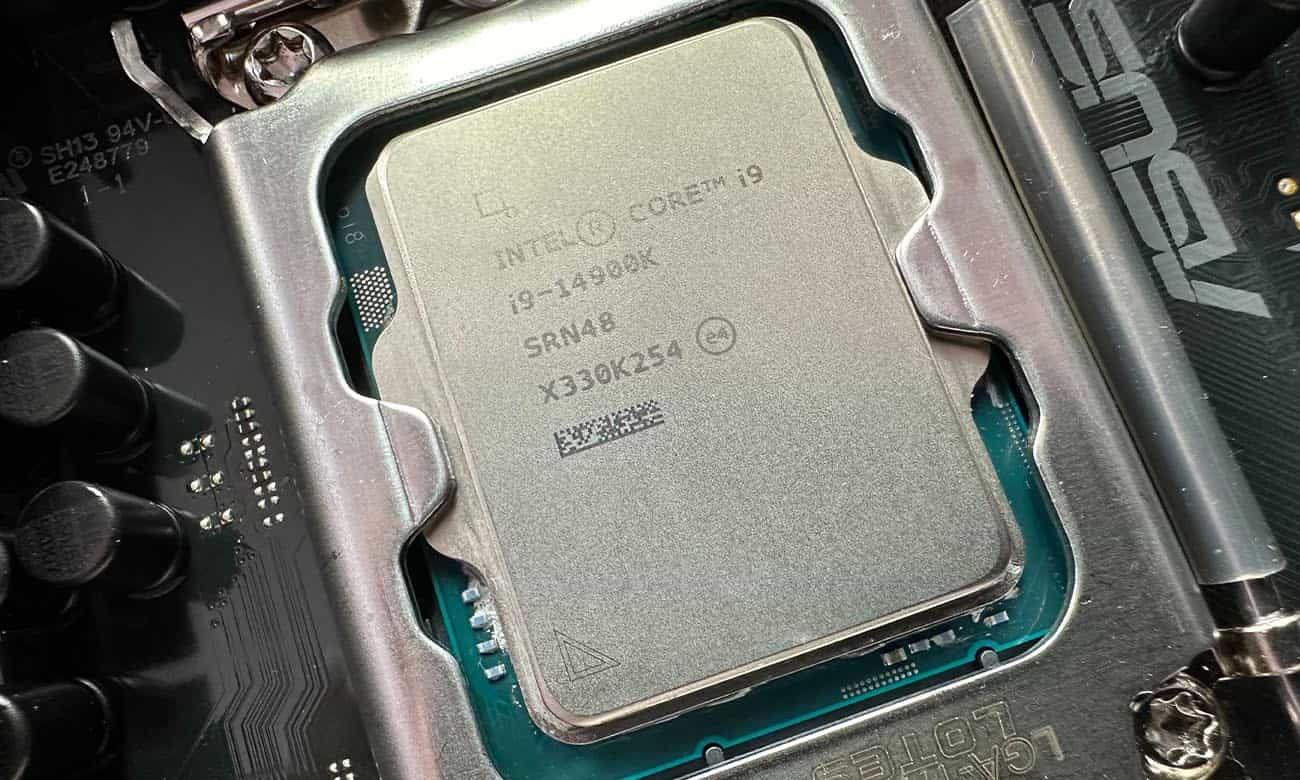
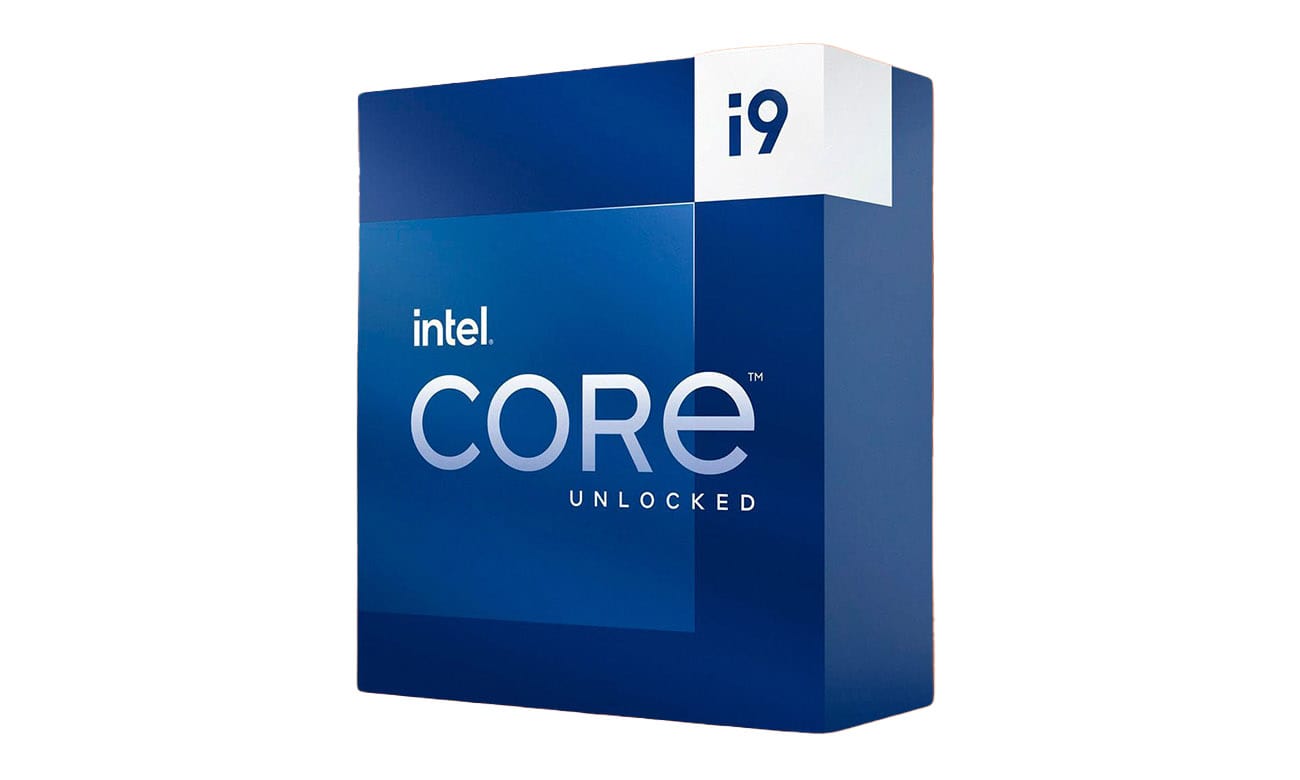
Intel Core i9-14900K
Intel Core i9-14900K
Core configuration:
24 (8+16)
Threads:
32
P-Core Speed:
5.8GHz (boost) 3.2GHz (base)
E-Core Speed:
4.4GHz (boost) 2.5GHz (base)
DDR5 support:
Yes @ 5600MHz
TDP
125W base 253W PL1 & PL2
- Efficient performance gains over the last generation
- Higher DDR5 XMP speeds beyond 8000MT/s
- Overclocking potential is high
- Intel Application Optimization is impressive
- Expensive, of course
- Has issues with ASUS MCE tech at present
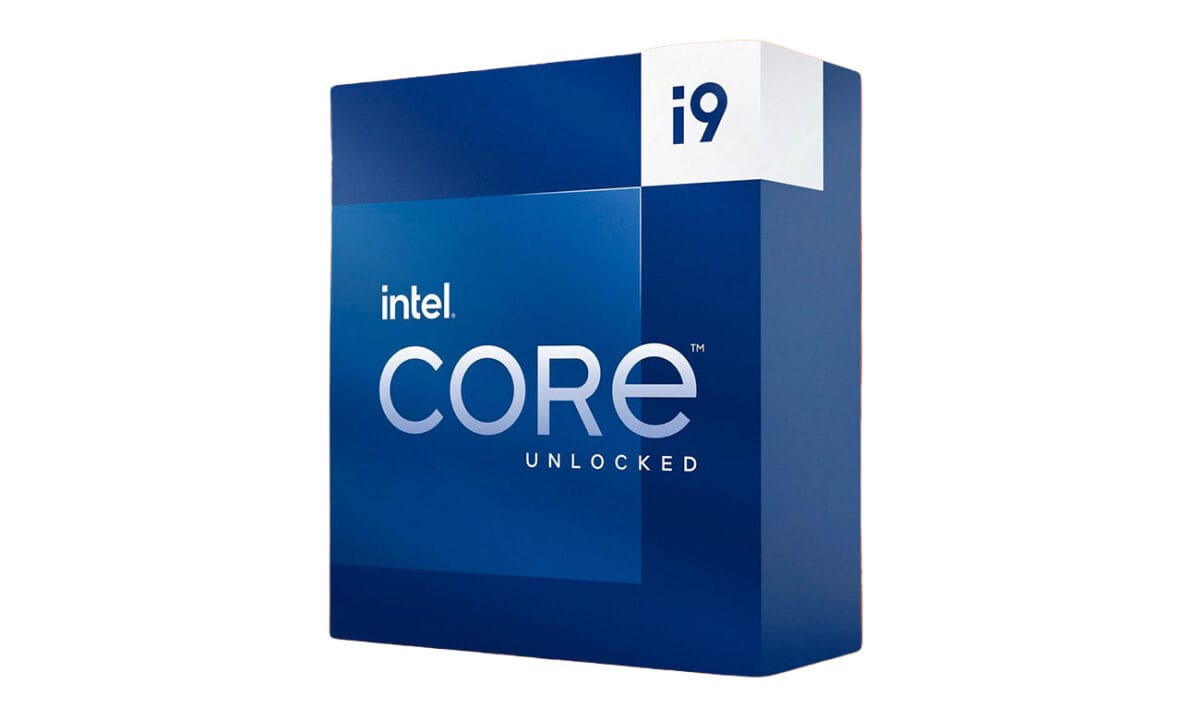
The Intel Core i9-14900K stands out as a top-tier CPU for various compelling reasons. Firstly, it significantly enhances performance, pushing the boundaries of its architecture. This means that whether you’re a professional with demanding workloads or an enthusiast seeking exceptional gaming performance, the 14900K has the power to deliver. It represents a notable step forward in Intel’s lineup, showing the company’s commitment to providing cutting-edge computing solutions.
One of the standout features of the Core i9-14900K is its ability to maintain stability during everyday tasks. While a high-performance CPU must excel under heavy workloads, it’s equally important for it to perform seamlessly during normal activities. This balance between power and reliability ensures that users can enjoy a smooth and consistent experience across the board.
The COre i9-14900K shines in both synthetic and real-world benchmarks, showcasing its prowess in various scenarios. Its performance superiority is further emphasized by outperforming its predecessor, the COre i9-13900K, in all scenarios, making it the new high-performer in Intel’s arsenal.
This achievement solidifies the Core i9-14900K as a must-have for CPU enthusiasts who demand the best and are willing to invest in unparalleled power and efficiency. Although its high price may deter some potential buyers, for those seeking peak performance, the Core i9-14900K is undoubtedly a worthy investment.
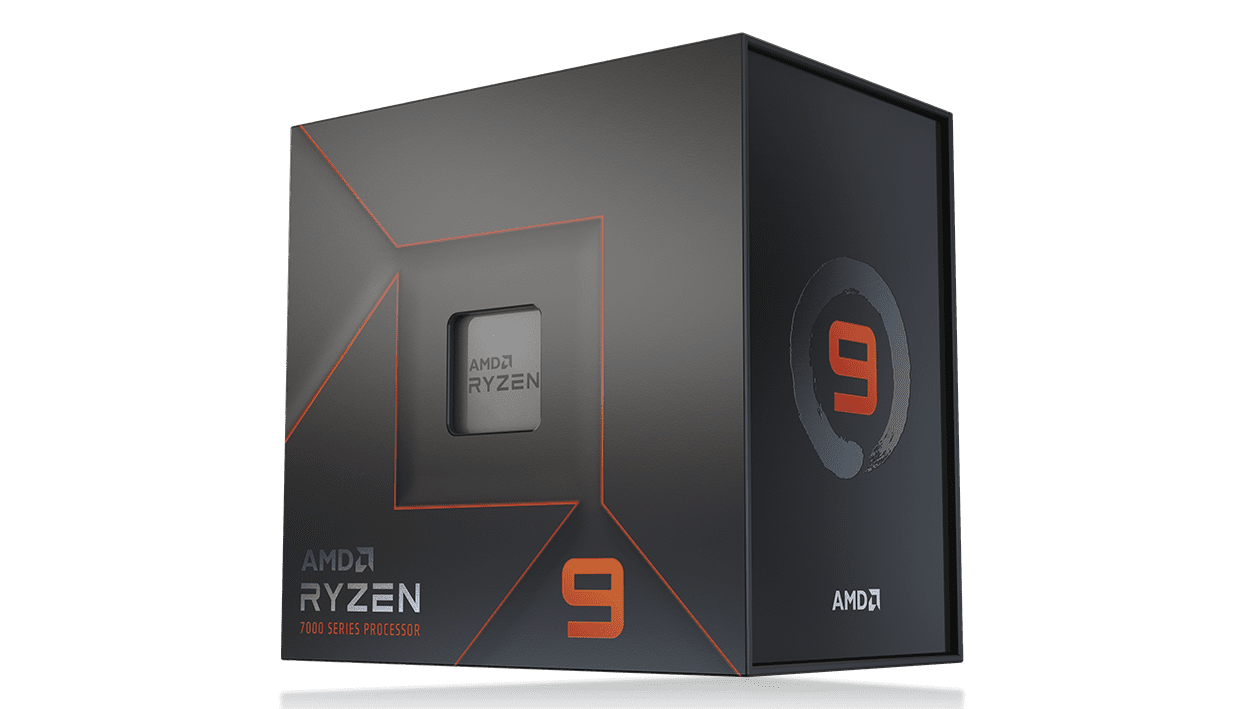
AMD Ryzen 9 7900X
AMD Ryzen 9 7900X
Cores
12
Threads
24
Base speed
4.7GHz
Boost speed
5.6GHz
Cache
L3 64MB
Socket
AM5
- Incredible performance
- High performance pew Watt
- Interesting IHS
- Cooler than other 7000 series CPUs on average
- A little pricey
- Hard to keep cool
Normally, you would expect to see the Ryzen flagship, the 7950X here. Not this time. We don’t feel that the best CPU for gaming on the AMD side of things is the 7950X. We think much better value can be found in the Ryzen 9 7900X. You can read our full 7900X review here.
The 7900X is part of the brand-new Zen 4 architecture, bringing performance to another level on the AMD platform. Finally, the 7000 series is brought into the present with the AM5 socket providing support for both DDR5 and PCIe Gen 5. AMD users everywhere rejoice.
The 8-core, 16-thread Ryzen 7900X is capable of massive multi-core performance as well as single-core performance thanks to its massive 5.6 GHz boost clock speed. AMD has seriously cranked up the single-core performance this time around, making the single-core performance on par with Alder Lake, Intel’s previous generation CPUs.
Cache has been doubled this time around, now 1MB per core as opposed to 512KB, this means more instructions for the Ryzen Zen 4 CPU cores to chew through, A CPU that’s kept fed by cache in a speed manner is a fast CPU.
We have to talk about the TDP, and yes, it’s a lot higher than the last generation. The 7900X’s TDP is 170 W at the base core speed and 230 W at the boost speed. This also unfortunately makes the CPU run hotter than we’d like, just like the 13900K. It seems CPU cooler technology just can’t keep up with the amount of power packed into the new generation of CPUs.
AMD Ryzen 7 5800X3D
AMD Ryzen 7 5800X3D
Cores
8
Threads
16
Max boost speed
4.5GHz
L3 Cache
96MB (64MB 3D V-cache)
TDP
105W
- Inexpensive
- Incredible performance
- 3D V-cache
- No cooler
- No native overclocking support
The Ryzen 7 5800X3D is a marvel in CPU engineering, the 5800X3D has technically claimed the top ‘best gaming CPU’ from Intel and their core i9 12900K but there are a couple of reasons it’s not top of our list today. The 5800X3D is an excellent choice for gaming, rocking a cool eight multithreaded CPU cores and a whopping 96MB of brand new AMD 3D V-cache, It seriously gains an edge in some games.
3D V-Cache is where this CPU differs from literally every CPU in the world right now, as it’s the only one to make use of it. 3D cache is not stacked laterally like a normal 2D cache but vertically (thanks to new 3D printing technology) – hence the term 3D cache. This drastically increases the number of chipsets you can cram into an area of any given size, thus resulting in larger cache capacities without sacrificing access speeds. The vertical stacking allows AMD to achieve the massive 96MB L3 cache with a total access speed of 2TB/s in its 5800X3D CPUs.
The 5800X3D has lower core speeds of 3.4GHz base and 4.5GHz max, these speeds are even lower than its brothers the 5800X, the reason for this is the 3D V-cache is unstable at higher core speeds. Thanks to the 5800X3D’s low max core speeds and lack of overclocking support, it’s not very good at single-core workloads or workstation tasks. if ever there was a fully-fledged gaming CPU it would be the 5800X3D.
This new caching technology gives the CPU major advantages in some gaming workloads, but not all. With the lower core speeds and lack of overclocking support, the 5800X3D is regularly outperformed by cheaper and worse CPUs in scenarios where the cache is not utilized, even in gaming. For these main reasons, is why the 5800X3D is not higher on our list. You can read the full product review on the Ryzen 7 5800X3D right here.
Intel Core i9-12900K
Intel Core i9-12900K
Boost clock speed (single core)
5.3 GHz
Total Cores / Threads
16/24
P-cores
8
E-cores
8
Socket
LGA 1700
Overclockable
Yes
- Powerful single core performance
- Powerful multi-core performance
- Overclockable
- Expensive
The 12th gen 12900K was the successor to the 11th gen Intel i9-11900K, utilizing the new ‘Alder Lake’ architecture as opposed to the ‘Rocket Lake’ of the older CPU. Unlike the release of Intel’s 11900K, the 12900K has been a huge hit amongst reviewers – despite the more expensive price tag.
The 12900K comes with a 125W TDP which, yes is higher than the AMD counterpart – meaning it does get a little toasty under the hood. The 12900K is only compatible with the FCLGA1700 socket, meaning a complete upgrade will be necessary if you plan on purchasing this CPU. The new 12900k comes to shelves boasting a core count of 16 and 24 threads, making it a great all-rounder for both multitasking and gaming. Intel has put its efforts into architectural improvements with the new Alder Lake lineup, improving in almost every area.
With all these improvements, we finally see Intel regain the top spot as far as gaming is concerned. More impressive, however, is the fact that in workstation and multitasking scenarios, the Intel 12900K is almost as good as the Ryzen 5900X. Pair that with crazy overclocking potential and great single-core performance and you have one tasty processor. With the Intel 14th Gen now out, and the 13th Gen set for some serious price cuts, there could well be some decent savings to be had on the 12th Gen.
AMD Ryzen 9 5900X
AMD Ryzen 9 5900X
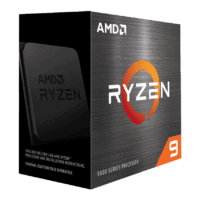
Speed
3.7GHz/ 4.8GHz
Core (Threads)
12/24
Socket
AM4
TDP
105W
- Rivals the Intel i9-10900K in gaming performance
- High multicore performance
- Unlocked overclocking
- More expensive than the Intel alternative
- Requires CPU cooler
It took AMD a while, but finally, they were back at the top of the CPU hierarchy with their extremely impressive Ryzen 9 5900X. This CPU pretty much does it all – gaming performance, overclocking, productivity work, the lot. If you’re looking for the best all-around CPU on the market, look no further – Team Red has you covered. It may not be the latest model on the market, but it still packs a serious punch. You can find our best Ryzen 5000 CPU picks here.
The flagship CPU from AMD offers up uncontested gaming performance and fantastic multi-tasking productivity work – all of which are great for gaming, streaming, rendering, and video editing. When you pair that with its current price tag, you’d have to say that the 5900X also shows some of the best value in today’s market.
The 5900X is a 12-core 24-thread part, offering up a 3.7GHz base frequency right out of the box. Furthermore, with PBO, the 5900X can be boosted to 4.8GHz when it needs the additional power most – think gaming or productivity-type workflows. AMD, like always, has unlocked the Ryzen 9 5900X for excellent overclocking capabilities, with many users hitting 5.0GHz respectively. This all translates to very good performance in gaming – with single-core performance having the ability to push 100FPS + in the most demanding of modern titles.
The flagship offering also brings excellent future-proofing to your new build, supporting PCIe 4.0 for the next generation of hardware that’s just around the corner. You’ll be able to slot the 5900X into newer 500-series boards alongside older 400-series alternatives, making it not only powerful but versatile too. The only downside is the lack of a cooler – something that AMD’s more budget-oriented alternatives don’t have to worry about.
Intel Core i5-12600KF
Intel Core i5-12600KF
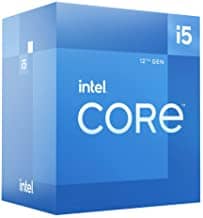
Boost clock speed (single core)
4.9 GHz
Total Cores / Threads
10/16
P-cores
6
E-cores
4
Socket
LGA 1700
Overclockable
Yes
- Powerful single core performance
- Amazing multi core performance
- Overclockable
- No in box cooler
- Still more power-hungry than Ryzen
Another of Intel’s latest arrivals comes in the shape of their i5-12600K – their latest mid-range offering. This CPU comes equipped with a much more affordable price tag, but don’t let that fool you, it comes jam-packed with performance, including plenty of overclocking to boot.
The i5-12600K offers up to 10 cores and 16 threads, the same as its predecessor the 11900K, but improvements to the architecture bring significant performance improvements, with up to a 30% increase in FPS on some titles. Although AMD’s 5600X still beats the card in multi-core tests, making it the better CPU in this price range for workstation uses. On top of this, the 12600K typically (though not in all cases) beats the 5600X in single-core and gaming scenarios.
This performance is thanks to the impressive 3.7Hz base clock speed of the 12600K, with a tasty max single-core boost frequency of 4.9GHz. If you’re into overclocking, there’s also a ton of potential to be had by doing so with this chip. Pushing it up to 5.3GHz is not out of the question, putting it right up there with the likes of the 10900K, but be aware you will need a pricey cooling rig to do so. Even pre-overclocking the 12600K runs hot, which is the only real drawback of this chip, and this does necessitate slightly more being spent on cooling, eating into the savings somewhat.
Nevertheless, assuming you have an FCLGA1700 socket motherboard (the chipset is not backward compatible) you won’t go far wrong picking this processor for your gaming rig. Overall, as far as gaming is concerned, at this price range, you’ll struggle to find anything that can match the 12600K’s performance. A fantastic CPU from Intel.
AMD Ryzen 5 5600X
AMD Ryzen 5 5600X
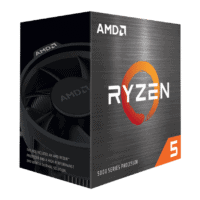
Speed
3.7GHz/ 4.6GHz
Core (Threads)
6/12
Socket
AM4
TDP
65W
- Set to out-perform the 10600K
- Great value for money
- Unlocked overclocking
- Slightly more expensive than what we’re used to from AMDs midrange offering
- Requires CPU cooler
The 5600X was one of the most anticipated CPUs to be released when Ryzen announced its 5000 series CPU lineup – mainly thanks to some impressive benchmarking rumors. It came to the table offering a shocking mix of Intel-beating value and performance in both gaming and workflow scenarios. If you’re looking for a well-priced CPU that can smash out AAA game titles at over 100fps and has excellent multi-tasking abilities, the 5600X should be high on your list of recommendations. It’s the very reason why it finds itself in our list of best CPUs for gaming.
Price/performance, this chip is one of the best we’ve seen in a long time. It has a base clock speed of 4.1GHz alongside a 4.8GHz boost clock frequency – putting it next to some of the top performers in this guide. Furthermore, with a 19% increase in IPC, this thing does leave the last generation of 3000 series CPUs in the dust. It comes with its CPU cooling fan which AMD says is newly designed with excellent efficiency and almost no noise output – a feature the premium CPU options in AMD’s 5000 series lineup can’t boast.
Overall, whilst the 11600K offers better single-core performance at a cheaper RRP, the 5600X is still one of the best CPUs you can get at this respective price point.
AMD Ryzen 9 5950X
AMD Ryzen 9 5950X
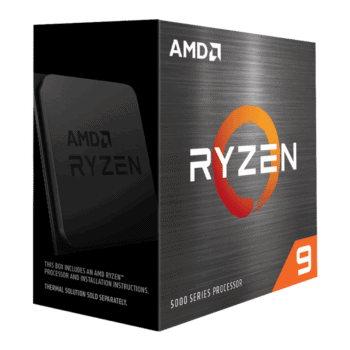
Speed
3.4GHz/ 4.9GHz
Core (Threads)
16/32
Socket
AM4
TDP
105W
- Very high single-core performance
- Great for gaming and workstation tasks
- Excellent overclocking potential
- High price tag
- Requires CPU cooler
From a gaming standpoint, the Ryzen 9 5950X isn’t quite as good as the 5900x or 10900K. That being said, it still offers very good performance and actually outperforms them both when it comes to multi-tasking type workflows.
The 5950X is another step in the HEDT direction for desktop CPUs – offering up 16 cores and 32 threads for truly unparalleled workstation performance in this guide. Unlike HEDT though, you won’t have to purchase a custom board to run this bad boy, it’ll slot right into your AM4 motherboard without a hitch.
In terms of raw gaming performance, the 5950X does show a decent account of itself in this guide. Whilst it’s not as good as the 10900K or 5950X, it still offers very stable FPS figures when playing modern AAA titles. With a base clock frequency of 3.4GHz and a boost up to 4.9GHz, you’ll have more than enough juice to drive the most intense rendering and multi-tasking workflows.
All being said, this is an excellent all-around CPU – but mainly tailored towards the individual that needs that extra productivity performance. Gamers will be better suited toward fewer cores and higher single-core performance.
Best CPU for gaming 2024: What’s new?
The latest processor generations from Intel and AMD are the Ryzen 7000 X3D series and the Intel 14th generation, respectively. However, there is a clear winner in terms of both price and performance.
Despite being a favorite among many, AMD fell short this time around with its high-priced CPUs and lackluster performance. Many were hoping that AMD would finally beat Intel in single-core performance, but unfortunately, that did not happen.
In contrast, Intel delivered an exceptional set of CPUs with their 14th generation, which outperformed AMD’s CPUs in multi-core performance, thanks to the flagship CPU containing 8 additional cores. However, they don’t offer a massive upgrade from the 13th gen.
Best CPU for gaming: Things To Consider
The first thing to consider when choosing your gaming CPU is what you intend to use it for. Just because a CPU is “the best” in one category doesn’t mean it’s the best CPU for you.
But what are you looking for in a CPU? How do you know it’s the one for you? Should it have more cores or faster speeds? Let’s look at a few key factors that may help you decide:
- Casual/ hardcore gaming
- Streaming
Cores And Threads
A processor is made up of cores and threads. Nowadays, CPUs have multiple cores which allows them to do multiple tasks, think of it as the literal embodiment of the old saying; two heads are better than one.
The computer treats threads as virtual CPUs. The amount of threads is the number of tasks each core can handle. Threads can only do one thing at a time, but they can switch extremely fast. As such, threads serve as an efficient way for your CPU to effectively switch between handling multiple tasks.
In particular, on newer generation choices from Intel, you may find different types of cores in there. With a cut between efficient cores and performance cores. These e-cores and p-cores work on different tasks and leave each other to focus on particular tasks. Increasing the efficiency and performance of the desktop processor.
Clock Speed
Clock speed, sometimes known as cycle speed, refers to how many cycles a core will perform every second. This is measured in megahertz. So 4MHz would be four million cycles per second. Processors that are “unlocked” can be overclocked to reach a higher clock speed than their stock speed. However, overclocking has to be done right. If done incorrectly, you might find yourself with a costly paperweight at the end of the day. Nevertheless, it’s a rule of thumb to ask: “Is overclocking worth it?” before doing so.
If you’re unsure which processor you should get, read our article on which CPU you need. Or you can check our CPU hierarchy to see a detailed list of CPUs and which category they belong to.
Cores And Clock Speed Combined
Together these will give you a general idea about how well the processor in question will perform, but let’s delve a little deeper. For instance, IPC (instructions per cycle) tells us how many actions can be taken every cycle and is often much harder to find. Moreover, specific tasks utilize fewer cores, like gaming, which means you’ll want strong single-core performance (it’s still good to have at least four cores for gaming, though). On the other hand, tasks such as video rendering utilize a lot of resources, meaning you’ll want extra cores (at least eight+) for a smooth experience. Ultimately, this is why we always benchmark the CPUs and test processors performing different types of tasks.
Hardcore Gaming Builds
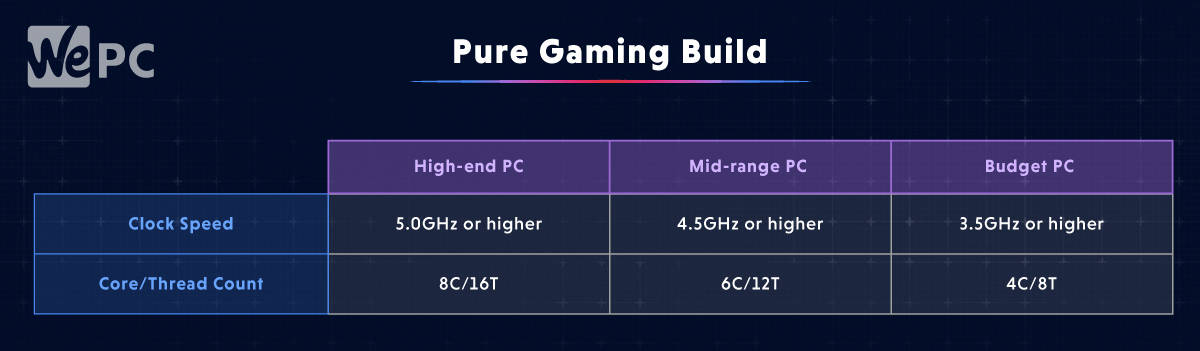
Sometimes, you want to build a powerful gaming rig. You don’t care about streaming or content creation. Your bottom line is getting those high frame rates.
When it comes to a pure gaming build, speed is your friend. Unlike highly taxing programs and tasks, games aren’t as dependent on CPU cores and threads. Anything quad-core or higher is sufficient for gaming. Most games will run on a dual-core processor, but more and more games are starting to require a quad-core or higher to install and run. That being said, most modern-day CPUs come equipped with at least 4-cores.
For a hardcore gaming build, I would suggest looking for processors that have at least the following speeds: Pairing a fast processor with a good SSD, a powerful graphics card, and some quality DDR4 or DDR5 RAM will increase your FPS overall.
Casual Gaming
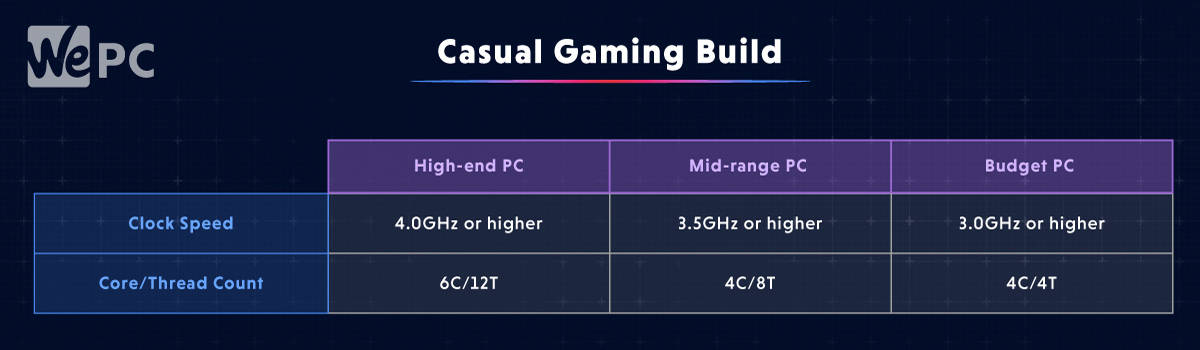
Maybe you don’t care about high FPS figures or saving your content for the world to see. Perhaps you’re more the casual type, the type who just likes to game now and then in your free time. AAA game titles aren’t really your thing, and you don’t require all that processing power.
If all you’re looking for is a gaming build that will run some low-intensive Steam games and esports titles, then a casual gamer setup might be more suited to your needs. Typically, a casual gaming build doesn’t need the latest hardware offerings. It’s also much more affordable than a hardcore gaming build.
When looking for a casual gaming CPU, you should look for one that is at least a quad-core if your budget allows it. It also doesn’t need to be extremely fast.
Choosing the best CPU for your needs can be a daunting task, as there are many factors to consider. Here are some tips on how to pick the best CPU for you. Overall, the best CPU for you will depend on your specific needs and budget. Consider the factors listed above and do some research before purchasing to ensure that you get the best value for your money.
Best CPU for gaming: Final Word
Choosing the best CPU for gaming can be a fun and rewarding experience, but it can also be a challenge. Now that you’re familiar with the best gaming CPUs of 2024, it should hopefully make an informed decision when it comes to buying a lot easier. Don’t forget to pick the right cooling solution for your CPU to ensure it runs at optimal levels at all times!
Deciding which gaming CPU you’re going to get will come down to what your personal needs are going to be. Using this article should help you decide which one is best for you. We hope you enjoyed our best CPU for gaming article.
Other useful links
Best CPU for gaming FAQs
What type of CPU is best for gaming?
When it comes to choosing the best CPU for gaming the i9-13900K is a really good value. It’s unbeatable single-core performance is ideal for high-FPS action packed gameplay.
It’s 24 cores and 32 threads mean that you can get an edge in multi-tasking and workloads that benefit from multiple cores. Such as content creation or rendering workloads.
Does CPU really matter for gaming?
Yes, when it comes to gaming the CPU does matter. While it may not be the most important factor to consider, it still needs to perform well enough to run games with no issues.
For gaming, you will want a CPU that has a sufficient amount of cores and threads. If you are planning to stream, or listen to music while you are gaming, you will need a CPU with significantly good multitasking.
In general, for gaming, the higher the amount of cores and threads a processor has, the better it will be. If there are not enough present, the CPU will become slow and will struggle to load larger games.
A lot of gamers tend to focus mainly on the performance of their GPU. While this is important, your CPU is important in the running of your computer. You will need to take into consideration aspects such as clock speeds, and cache too.